
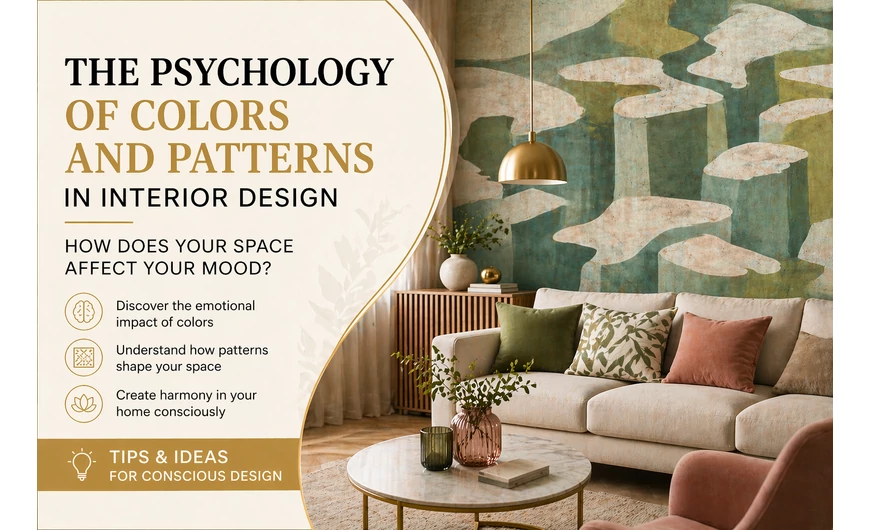
The Psychology of Colors – What Do Your Walls Say?
Different colors evoke different emotional responses. That’s why it truly matters which shades surround you every day.
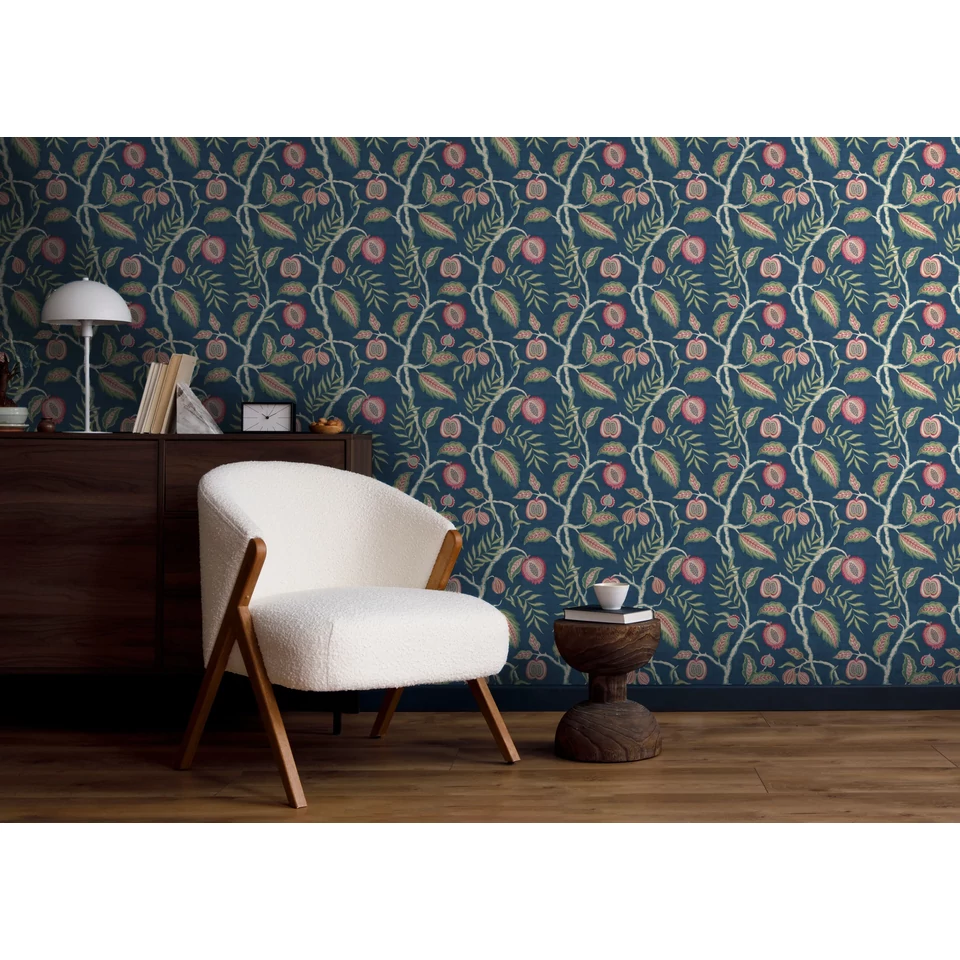
Blue – the color of calm
Shades of blue are proven to reduce stress and improve concentration. An ideal choice for bedrooms or home offices where a balanced, peaceful atmosphere is essential.
Explore the collection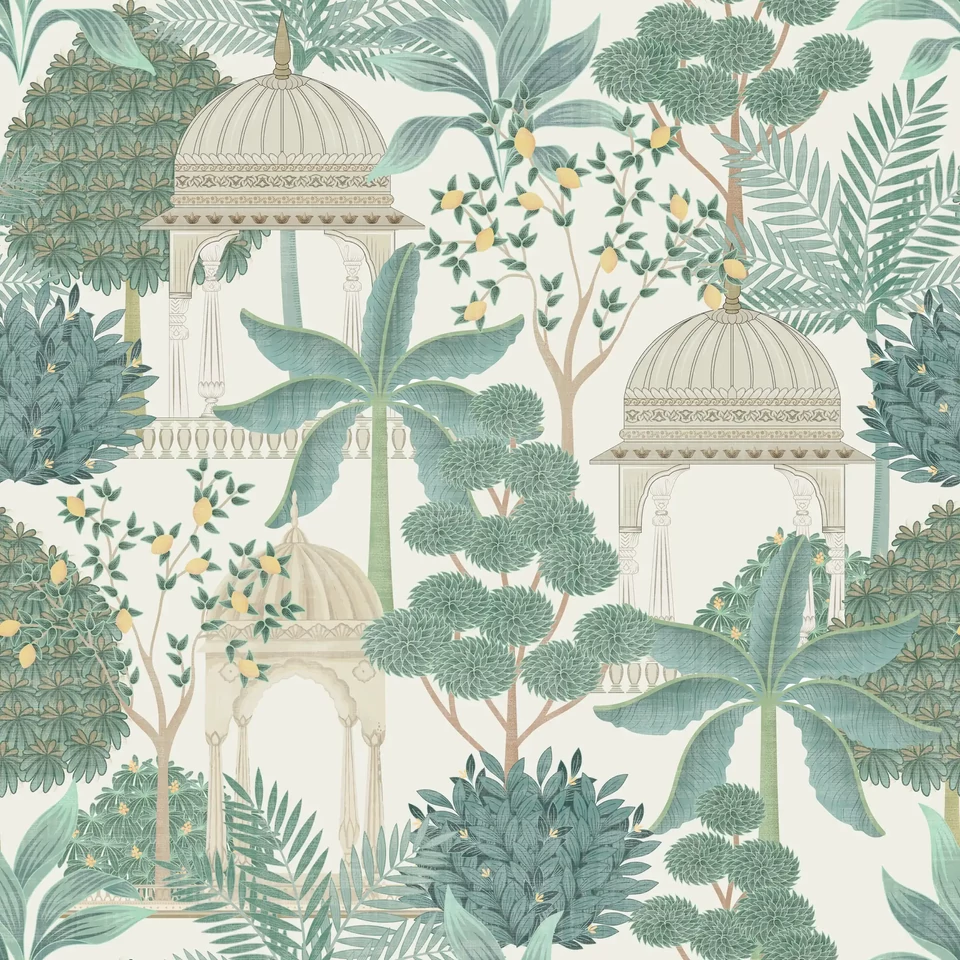
Green – harmony and nature
Green represents nature and has a calming, refreshing effect. Perfect for living rooms or spaces designed for relaxation and recharging.
Explore the collection
Red – energy and dynamism
A bold, attention-grabbing color that boosts energy levels. Best used in moderation, such as on a feature wall or in dining areas.
Explore the collection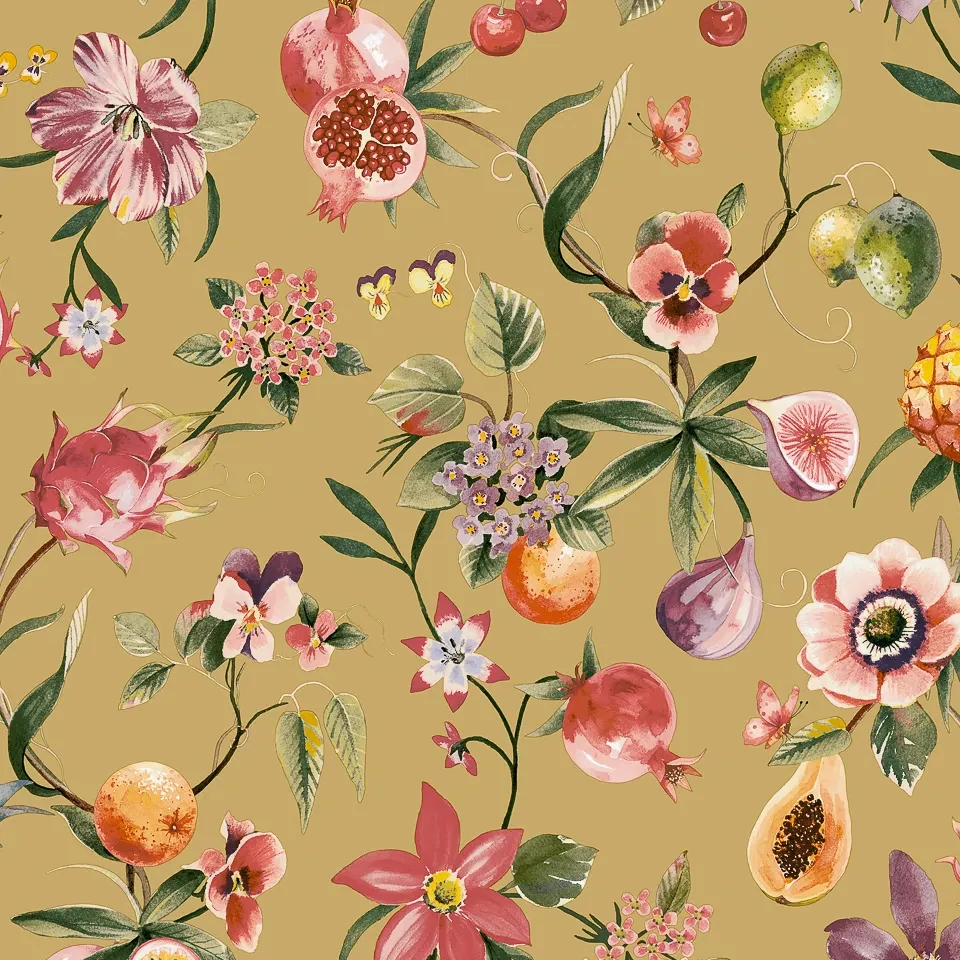
Yellow – creativity and optimism
Lighter shades of yellow are inspiring and brighten up any space. Ideal for workspaces or darker rooms that need more energy.
Explore the collection
Neutral tones – timeless elegance
Beige, grey, and white tones provide a stable foundation for any interior. They are easy to combine and allow patterns and textures to add character to your space.
Explore the collectionThe Role of Patterns – More Than Decoration
Patterns don’t just decorate – they shape spatial perception and influence the overall atmosphere.

Geometric patterns – modern dynamism
Clean, repeating shapes create a structured and energetic feel. They work especially well in modern, minimalist interiors.
Explore the collection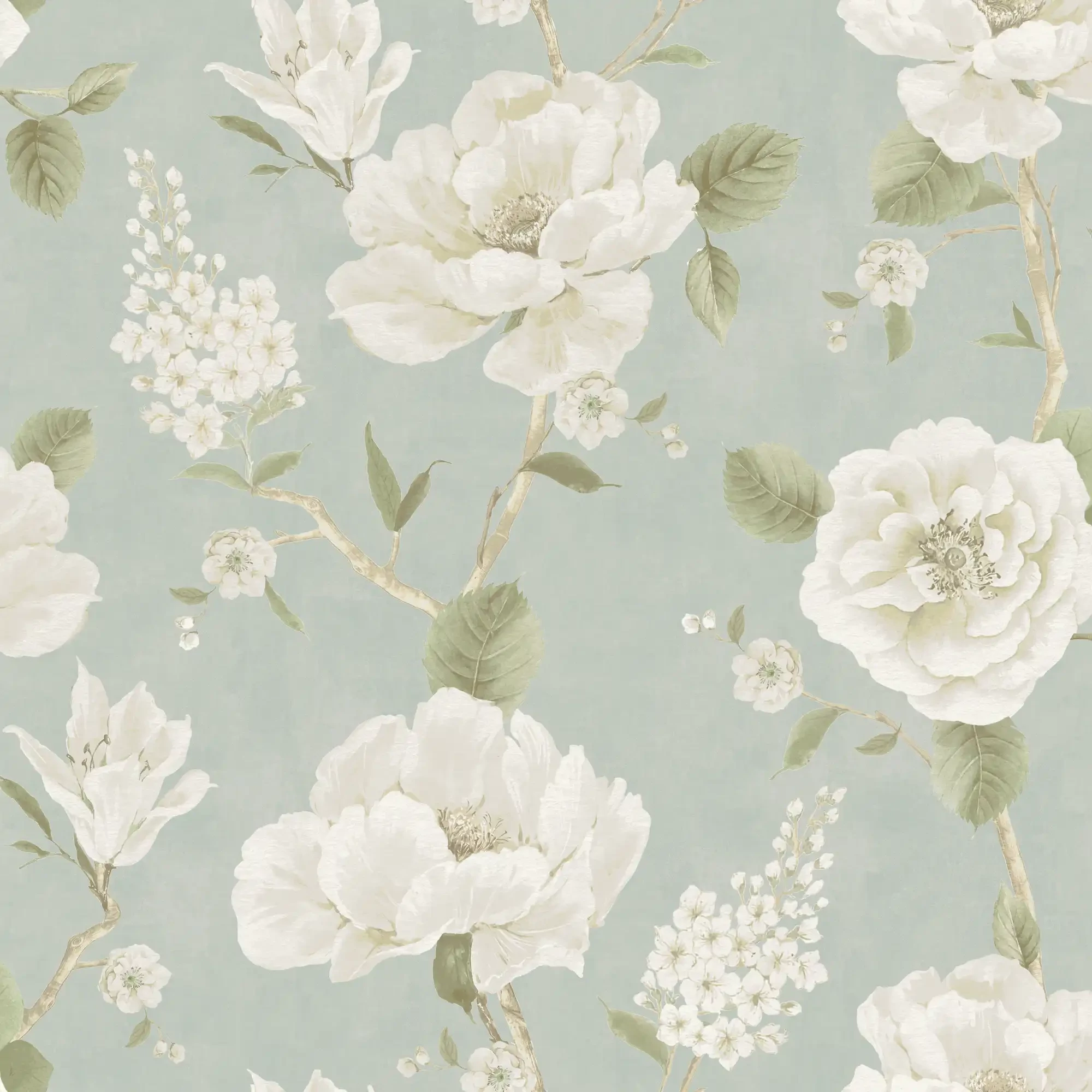
Organic patterns – natural calm
Leaves, florals, and soft shapes help create a more welcoming and relaxing environment. A key element of biophilic design.
Explore the collectionLarge vs. small patterns
Large patterns are bold and eye-catching – perfect for creating a statement “feature wall.”
Smaller patterns, on the other hand, create a more subtle effect and won’t overwhelm the space.
Textures – the key to luxury
Marble, silk, or textile-like finishes add depth to your walls and instantly elevate the perceived quality of the space.
How to Choose Colors and Patterns for Your Home
To make the right decision, consider these key principles:
- Think in function: what works in a bedroom may not work in a living room.
- Pay attention to lighting: natural and artificial light can completely change how colors appear.
- Size matters: lighter tones and subtle patterns work better in smaller spaces.
- Create a focal point: a statement wall is far more effective than an overcrowded room.
With the right wallpaper choice, these principles become easy to implement, as a well-selected pattern can bring both character and harmony into your space.